• Home
  • About XAO
    • Brief Introduction
    • Directors
    • Organization
  • Research
    • Research FIELDS
    • Observation Stations
    • Facilities
    • Laboratories
    • Annual Reports
  • Scientist
    • Professors
    • Associate Professors
  • Cooperation
  • Education
    • Graduate Education
    • Post-Doctor Fellow
    • Supervisors
  • QTT Project
    • About QTT
    • Events
  • Join Us
  • Research News
  • 中
  • Home
  • About XAO
    • Brief Introduction
    • Directors
    • Organization
  • Research
    • Research FIELDS
    • Observation Stations
    • Facilities
    • Laboratories
    • Annual Reports
  • Scientist
    • Professors
    • Associate Professors
  • Cooperation
  • Education
    • Graduate Education
    • Post-Doctor Fellow
    • Supervisors
  • QTT Project
    • About QTT
    • Events
  • Join Us
  • HomeResearch News
  • Research News
    • Feb 09, 2026
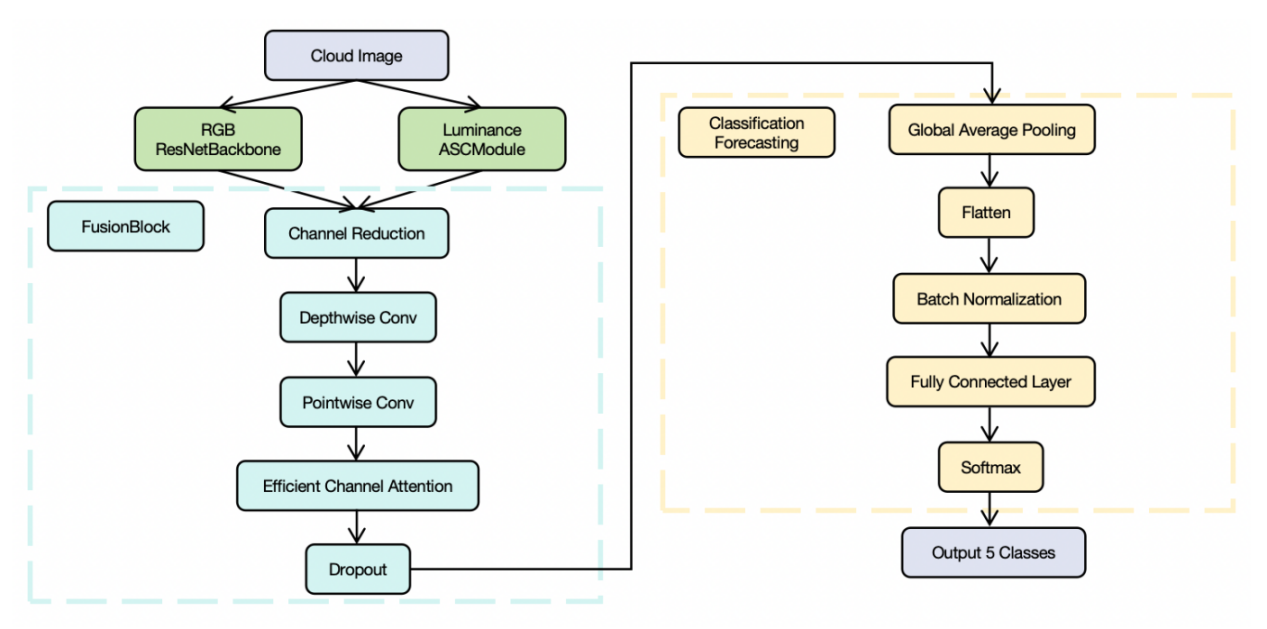
      Towards Automated Cloud Detection: Classification of All-sky Camera Images at the Muztagh Station
      Clear and stable skies are among the most fundamental and valuable resources for astronomical observations. For optical telescopes, the spatial distribution of clouds directly affects available observing time and data quality. Therefore,...
    • Feb 09, 2026
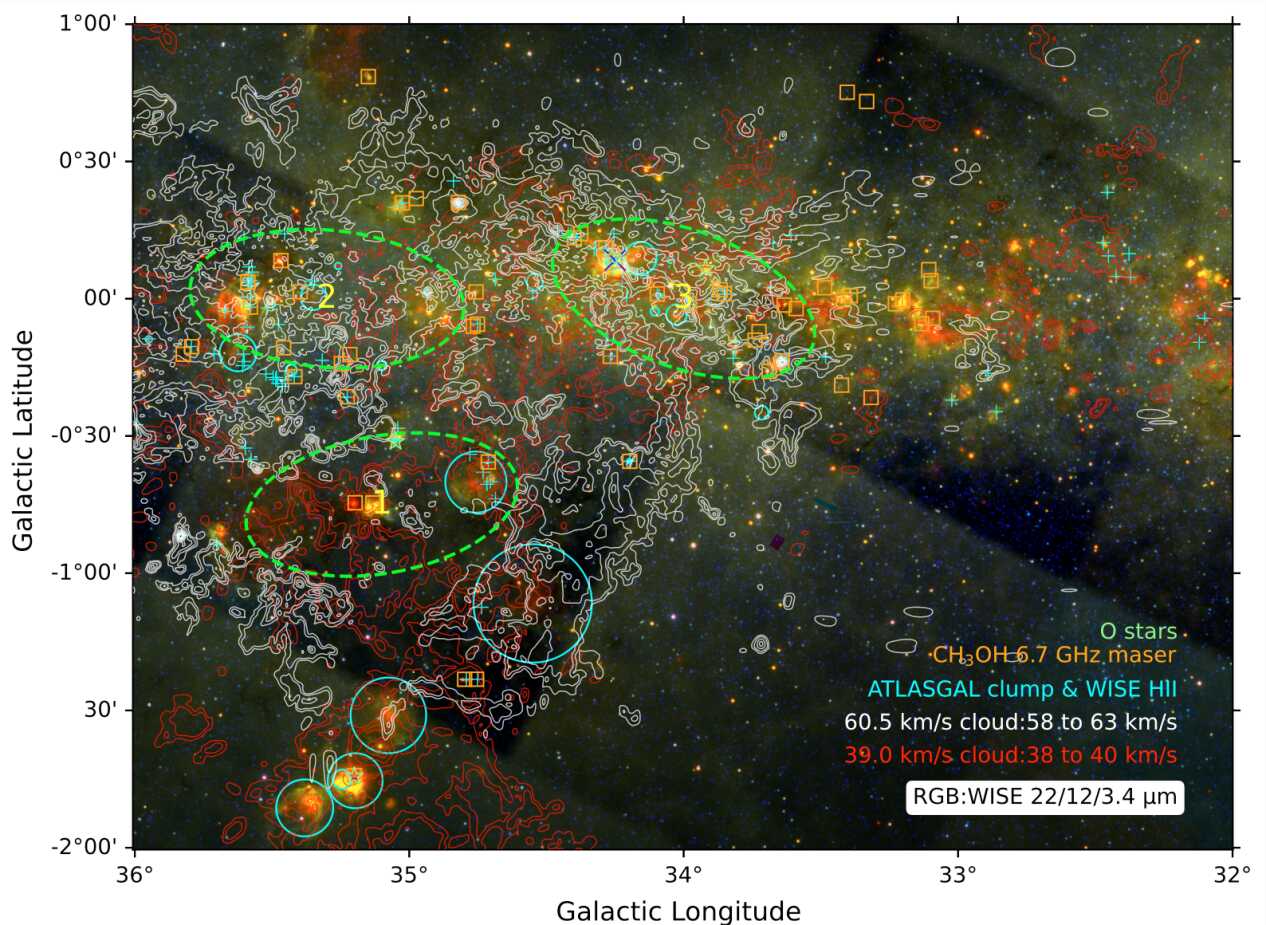
      Researchers Find Could-Could Impact Within Giant Molecular Cloud G34
      Recently, PhD student SUN Mingke from the star formation and evolution research group at the Xinjiang Astronomical Observatory (XAO) of the Chinese Academy of Sciences (CAS), along with his supervisor Prof. Jarken Esimbek and other colla...
    • Jan 07, 2026
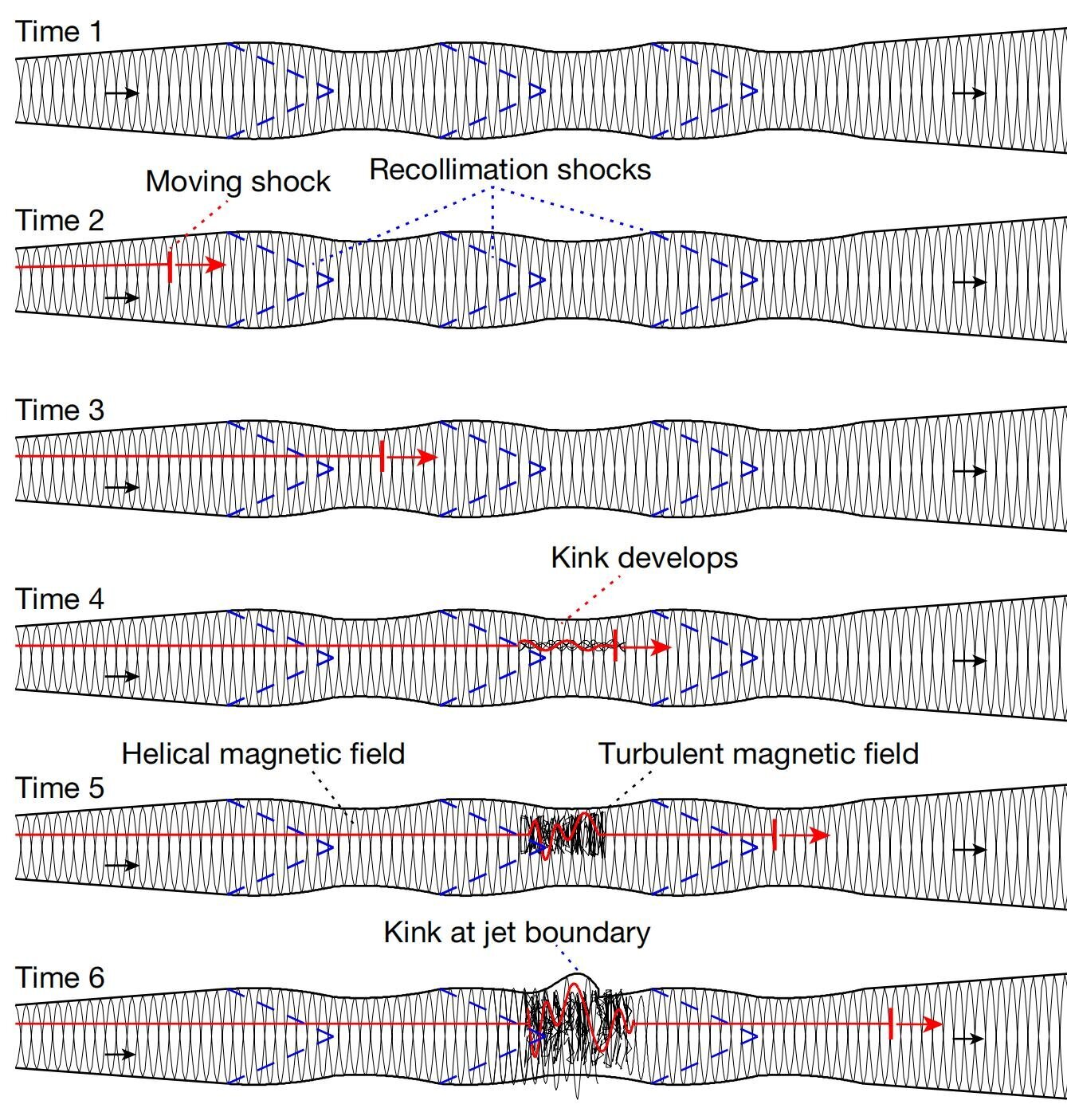
      TESS Data Reveals Sustained Quasi-Periodic Oscillations in Multiple Blazars
      The researchers searched for the periodic signal in the Transiting Exoplanet Survey Satellite (TESS) observations of blazars in the 157-month hard X-ray survey done by Swift’s Burst Alert Telescope.Quasi-periodic Oscillations have been observed rarely in the active galactic nuclei and the associated period varies from a few minutes through hours, days, weeks , and even years in all observational band of the electromagnetic spectrum...
    • Jan 07, 2026
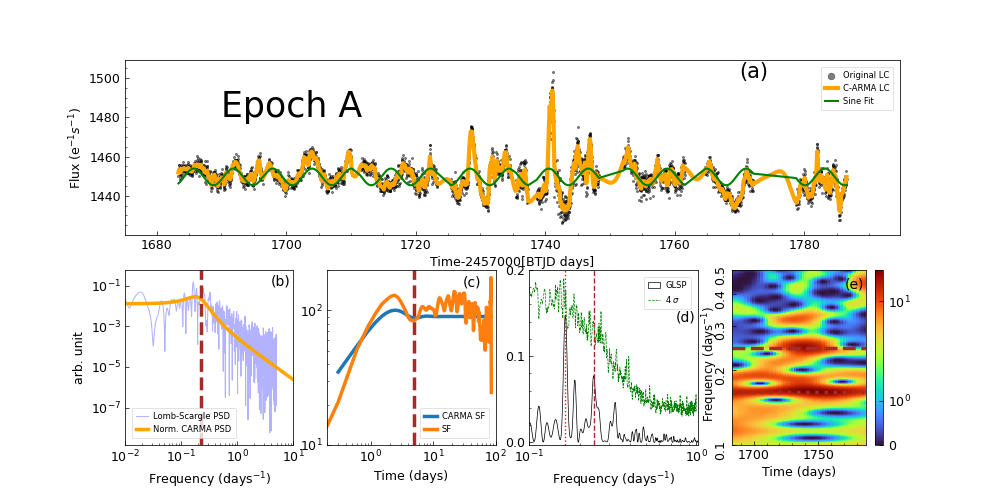
      New Methods Unlock Blazar Secrets
      The researchers have applied the advanced time-series analysis methods to the one-year long Transiting Exoplanet Survey Satellite (TESS) of the radio blazar 3C 371. Blazars are the special class of active galactic nuclei (AGN) which are known to have very high variability that can be used extensively to study these compact systems and is determined by characteristic timescales. The real observationa...
    • Jan 06, 2026
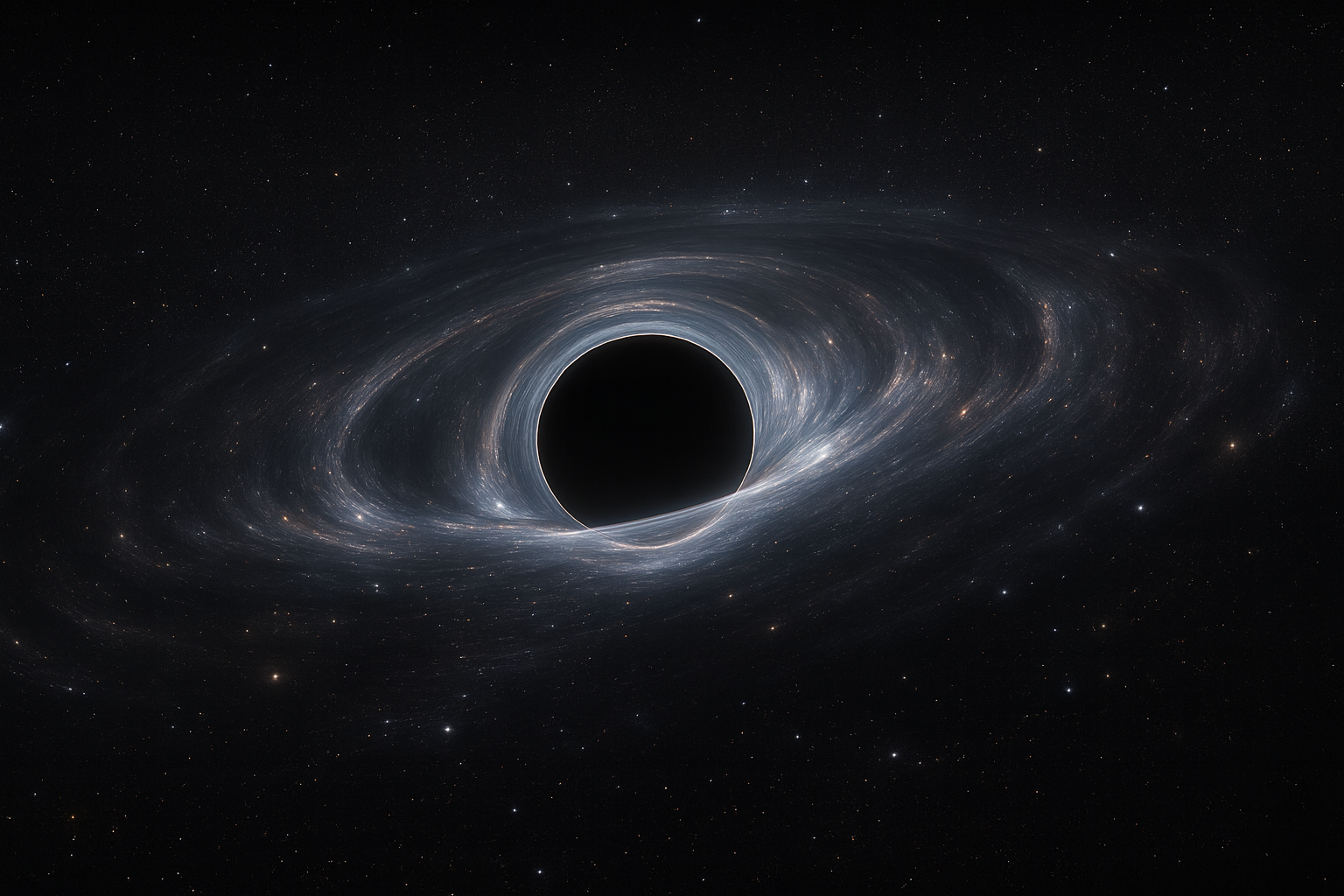
      Astronomers confounded by a mysterious million solar-mass dark object whose inner structure defies explanation
      An international team of astronomers have uncovered what may be a new type of unseen dark object in the distant Universe that doesn’t seem to resemble anything observed before. The object, which has a mass of about one million times tha...

    • Dec 04, 2025
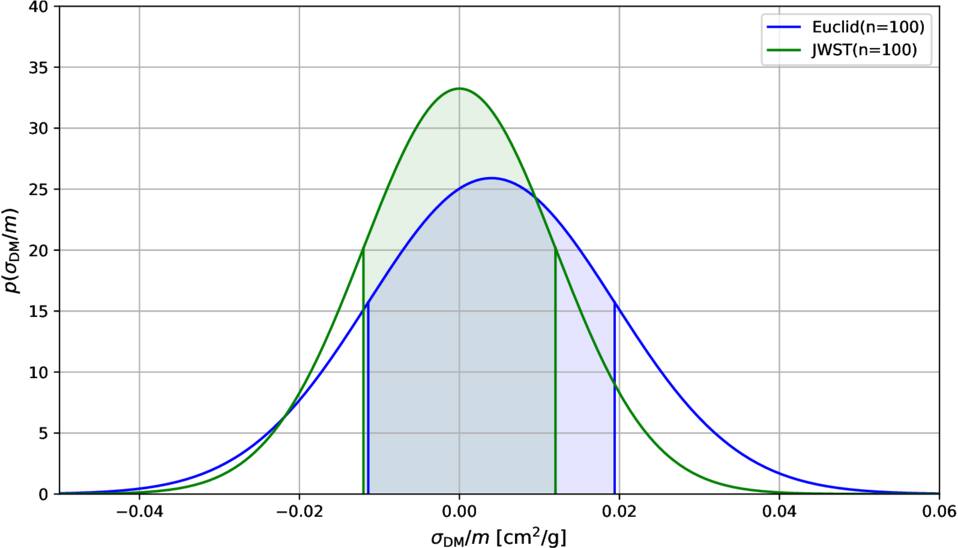
      Peering into AI "Black Box": Interpretable Neural Networks Help Reveal the Nature of Dark Matter
      The researchers developed an interpretable artificial intelligence framework named the Convolutional Kolmogorov–Arnold Network (CKAN) for studying the properties of dark matter on galaxy-cluster scales. HUANG Zhenyang, a master’s student at the Xinjiang Astronomical Observatory (XAO), Chinese Academy of Sciences, under the supervision of Prof. WANG Na and Senior Engineer LIU Zhiyong,developed an interpretable artificial intelligence fr...
    12345Last
    View More
    Copyright © Xinjiang Astronomical Observatory,新ICP备2025020307号,
    Address:150, Science 1-Street, Urumqi, Xinjiang 830011, China
    Tel:0991-3689373Fax:0991-3838628